
IESO study on gas phaseout misses the point
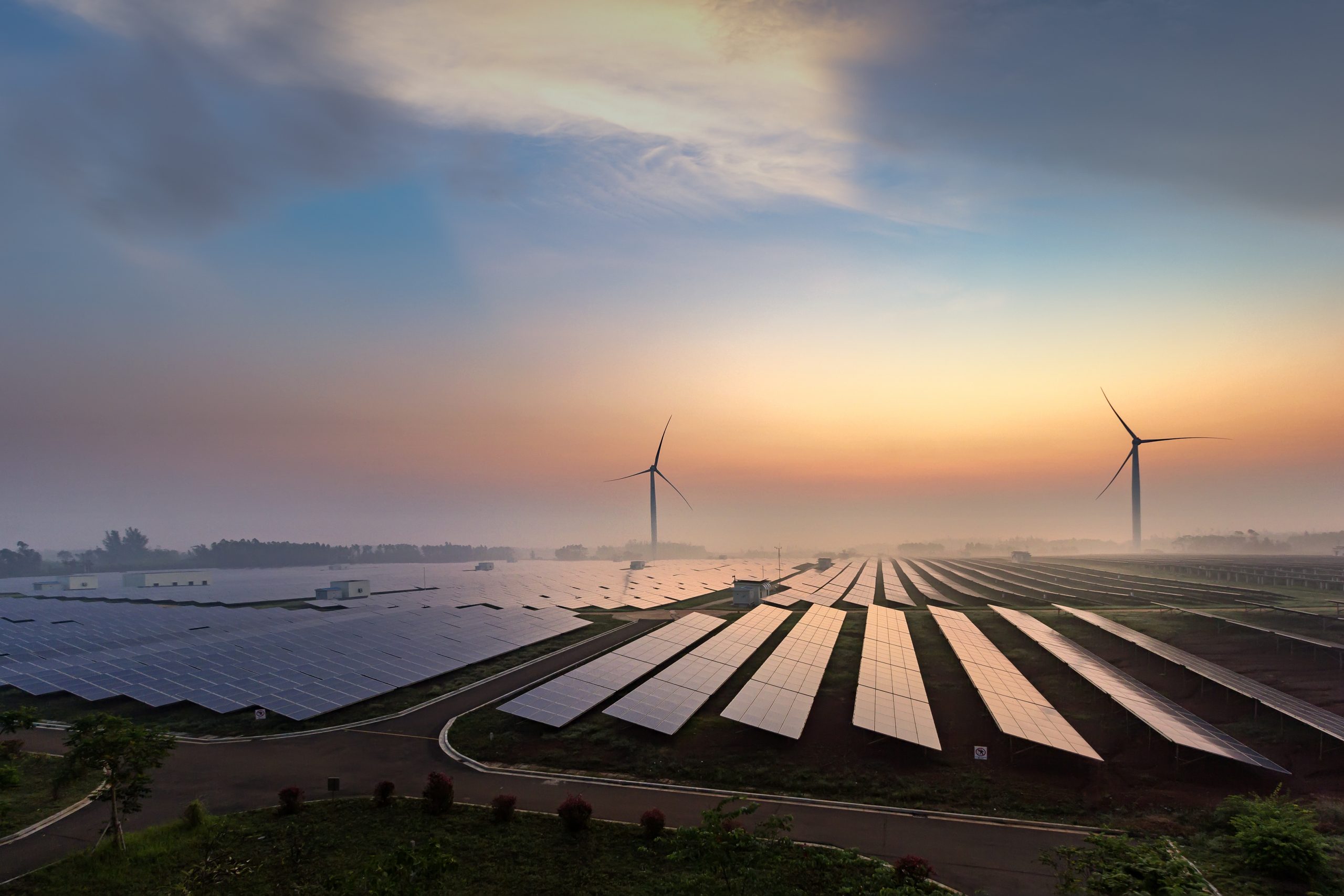
Before sunrise solar power plants

As electricity emissions increase exponentially in Ontario, TAF and others including industry leaders and 31 municipalities have advocated for a fair study to explore the alternatives. IESO's new study falls fatally short.
Canada, the United States, and nearly every other advanced economy has committed to net-zero carbon emissions, which makes the phaseout of natural gas not a question of if, but how and when.
Just as Ontario should be exploring available and affordable alternatives, the electricity system operator is planning to increase the use of natural gas for electricity generation. The province’s carbon emissions are quickly heading in the wrong direction, and electricity generation is the fastest growing source of emissions, increasing 52% since 2017 and forecasted to rise 340% by 2030. That equates to over 8 million tonnes of additional carbon pollution annually, putting Ontario’s 2030 climate commitments firmly out of reach.
TAF and others including 31 municipalities representing half of Ontario have called on the province to develop a strategy to phase out gas generation by 2030. To ensure a useful study and viable strategy, TAF specifically recommended that the Independent Electricity System Operator (IESO) assess the feasibility of several phaseout dates with interim targets.
Instead, the IESO released a study last week that is leaving many energy experts scratching their heads. They only considered a total gas phaseout by 2030, and completely ignored other possible scenarios, like phasing out most gas by 2030 and completing the phaseout by-or-before 2035. The study also fails to consider the ongoing and rapid reductions in the costs of renewable energy and storage technologies. Assumptions and data sources are poorly detailed, leaving analysts like us with little to evaluate or interpret. By limiting the scope, the IESO has manufactured a scene of rolling blackouts and skyrocketing electricity rates.
Canada, the U.S., and recently the U.K. have committed to phasing out gas fired electricity generation by 2035, and yet the IESO doesn’t see the writing on the wall. Pretending that continuous and indefinite expansion of gas generation is a viable option reveals how short-sighted our energy planning is, remaining entrenched in outdated pathways that lead to stranded assets and carbon lock-in.
Ontario households will pay the price – expanding the role of gas generation exposes the province to a more costly low carbon transition than necessary down the road. Meanwhile, Ontario also risks losing out on jobs and investment from the increasing number of companies with net-zero commitments that will not locate new facilities in jurisdictions without a plan for a zero-emissions electricity system.
What Ontario needs is a thorough study of how to phase out gas generation cost effectively and as close to 2030 as possible while maintaining grid reliability. Local climate action, including low-carbon buildings and transportation, cannot succeed without a clean and reliable electricity grid. The Minister of Energy has directed the IESO to report back by next fall with a plan and target date for phasing out gas generation, including a moratorium on construction of any new gas plants.
It is critical that municipalities and other stakeholders who have advocated for a gas phaseout continue to engage with the province and the IESO to ensure we get the plan we need. Let them know that a zero-carbon electricity system is critical to Ontario’s environmental and economic future.
7 comments
Leave a Reply
How rooftop solar can strengthen energy security in Canada
Opinionssss
Virtual net-metering is a win for industry. It could be a win for everyone
Opinionssss
The Atmospheric Fund invests in Jule to fast-charge electric mobility in the GTHA
Media Releases
Making rooftop solar work for Ontarians: strengthening the Home Renovation Savings program
Opinionssss
Five things investors should know about commercial fleet electrification
Opinionssss
TAF congratulates Province of Ontario for committing to invest $10.9 billion in electricity conservation and demand-side management
Media Releases
Statement from The Atmospheric Fund on Canada’s Clean Electricity Regulations
Media Releases

We need to investigate reasonable options. The IESO report is disappointing, as you note, in that reasonable options are not investigated.
A fossil fuel career lobbyist at the head of IESO is unfortunate.
Well said, Bryan.
This is truly outrageous conduct by a major organization such as the IESO for 2021. I remain unconvinced that the agency’s current suite of models, including the resource planning equivalents for OPG, Hydro One and many of the LDCs’, is up to the task of properly and objectively assessing our Province’s best options going forward in a carbon and financially constrained era. Simply put, I have seen little evidence that our agencies have adjusted with the times in the manner in which they resource and operations plan our energy system. The fact that solar, storage, wind and EV costs, fir instance, have all plummeted in the past two decades seems to have had only a very modest impact on the way the grid planning is resourced. The fact that any authority can even contemplate increasing emissions in this day an age as a go-forward option is alarming.
Ontarians worked very hard and paid a major price for over two decades to shed emissions from our society as we shut down coal generation in the Province. To wind emissions back up again is disgusting and amoral.
Tim Short, father of three young sons, husband.
In Ontario, electricity is a small component of our energy use. Many jurisdictions believe electricity use will need to more than double inorder to decarbonize by 2050. It is clear that the Ontario Government and the IESO have not embraced this view and are not committed to decarbonization by 2050. It is time for a “pan Canadian” electricity stategy that will drive the development of a national carbon free electricity grid.
“Instead, the IESO released a study last week that is leaving many energy experts scratching their heads. They only considered a total gas phaseout by 2030, and completely ignored other possible scenarios, like phasing out most gas by 2030”. I do not know if I qualify as an “energy expert” (although I am a retired mechanical engineer who worked in many energy-related industries in my 45+ year career, including nuclear and fossil fuels), but I too was astonished they only considered a total gas phaseout by 2030 and completely ignored other possible scenarios. It is well known this will cause serious supply issues and exorbitant energy costs unless you have an electrical grid that is widely interconnected with other distant jurisdictions in order to smooth out the intermittency of renewables such as wind and solar (not hydro), or you use nuclear energy. I personally do not have any objections to using nuclear provided it is done carefully, but it is by no means clear that it is currently required in Ontario because Germany, which has 1/3 the land area of Ontario, generates 20% more energy from solar and wind alone than Ontario generates from all sources.
It is extremely important that we continue to produce almost carbon-free power in Ontario. It makes no sense to encourage citizens to switch to electric heat pumps instead of gas furnaces (as in the federal government’s current energy retrofit program) if the electricity is produced by burning natural gas, and likewise for switching to purely electric vehicles from hybrids. It also makes no sense to even consider an energy source (fossil fuels) that will render the planet unlivable for almost all species within a century, no matter how cheap it is!
Yes, the IESO totally missed the point in their report, i hope the quality of the report is not a deeper reflection of their capacity for energy system modelling.
I was fortunate to meet with the Minister of Environment, Conservation and Parks, Dave Piccini, a few weeks ago as part of my role with Blue Dot Northumberland and we expressed our opinion that indeed natural gas must be phased out towards 2050 and we must plan NOW for a nearly fully electrified Ontario. We stressed that analysis of the entire provincial energy system is required and that we must now integrate our analysis of electricity, heating and transportation services, as all these will ultimately depend on low carbon electricity. David was not encouraging about how much progress he could make in moving away from natural gas. This means we must send a loud and clear message to the other cabinet ministers of the reality that natural gas use must taper off if we are to meet climate goals.
So many groups keep hammering away at this shift to electricity as the cornerstone of a low carbon society, and there will be so many benefits, but there is so much push back, do we need to make it a crime to plan an increasing carbon future?
Thanks to everyone who is working on a low carbon path for Ontario.
Cheers
Steve Lapp
The IESO has shown that they are not objective, open-minded or forward thinking. This is very unfortunate for the people of Ontario. I suggest that another organization should be mandated or contracted to provide the kind of options, analysis, and recommendations that are required now – not next year or a few more years.
Another issue that should get people’s attention is the cost, the IESO plan focuses on the highest cost generation, gas and nuclear. Current wind, solar and battery is coming online at fixed quotes of 5 cents/kw and less, their quoted cost in their literature for gas is higher and nuclear is at 14+ cents/kw. I believe the price of gas doubled or tripled this year so I am sure they will be looking for rate increases. The only way to get lower, reliable energy costs is with renewables; doing the right thing is also doing the cheapest thing (how often does that happen!).