TransformTO neighbourhood grants: TAF invests $100,000 in 2018
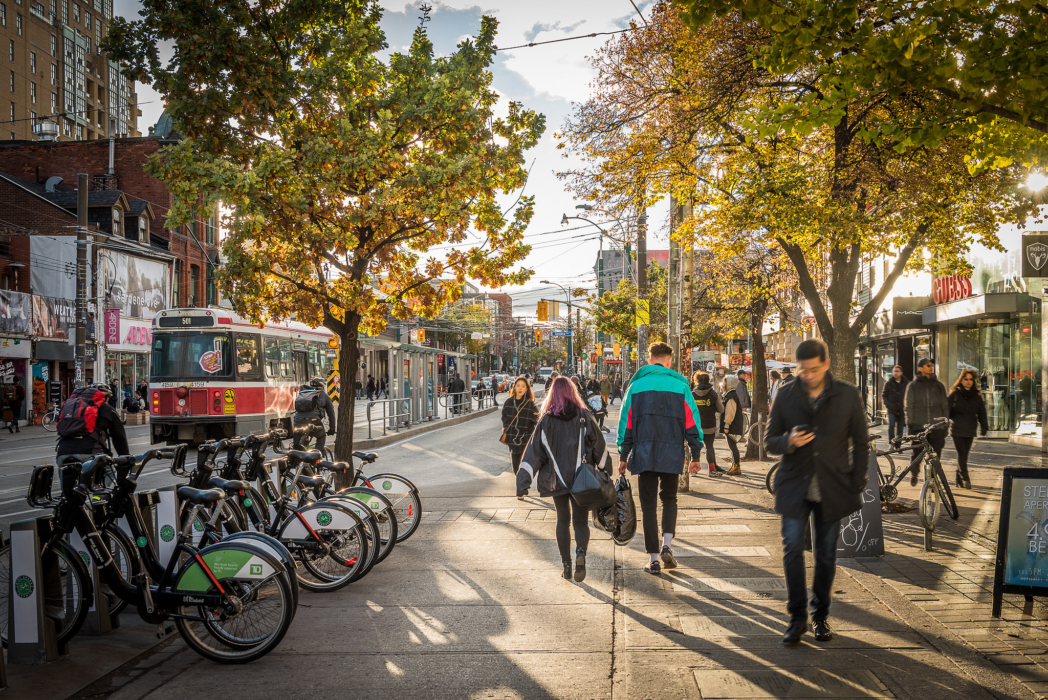
Copyright Queen's Printer for Ontario, photo source: Ontario Growth Secretariat, Ministry of Municipal Affairs

This year, TAF will provide grants to local engagement projects that will help shape the creation of the TransformTO Low-Carbon Neighbourhoods campaign. We're looking for initiatives to broaden community engagement by exploring and conveying the co-benefits of key climate actions. Get in touch with your ideas to TransformTO.
Turning Toronto into a climate-friendly city requires climate action at the neighbourhood level. The TransformTO climate plan recognizes this with the planned Mobilize Low-Carbon Neighbourhoods campaign. To help lay the groundwork, The Atmospheric Fund is setting aside a total of $100,000 in grant funding in 2018 to support neighbourhood-level engagement pilot projects.
We welcome grant applications from initiatives that seek to broaden engagement especially among segments of the community who have not traditionally taken part in the climate conversation.
To increase the relevance of climate actions to new constituencies, groups may wish to explore how climate actions like building retrofits, waste reduction and new mobility can be leveraged to create other valuable community benefits, for example:
- Increase public health through active transportation
- Make buildings more resilient through retrofits and renewal
- Create local jobs and training opportunities, especially for those with barriers to employment
- Strengthen communities by bringing together diverse residents in local networks
Pilot projects can take a variety of approaches. For example, initiatives might seek to engage citizens through envisioning or co-designing a practical initiative, such as a waste reduction program that creates part-time work for local youth. Alternatively, projects could test creative methods to introduce the synergies between climate action and other community interests in a community dialogue setting. Other projects might find new ways to gain meaningful input from community members on how to renew local community assets or design new ones that embed low-carbon principles while also addressing local priority issues.

Three key climate measures for Toronto’s 2022 budget
Opinionssss
Toronto just passed a host of new climate policies to support a net zero future
Media Releases
Toronto sets ambitious net zero target by 2040
Opinionssss
Four reasons you’re about to see more EVs in the GTHA
Opinionssss
New strategies for navigating the net zero river delta
Opinionssss
Toronto has an embarrassing gas problem
Opinionssss
Meeting People Where They Are
Opinionssss