Existing building performance has been historically challenging to regulate, but that’s changing with the recent proliferation of mandatory building performance standards (BPS) across North America.
A new building policy approach that’s working

Just launched: Carbon Emissions Inventory 2024

Existing building performance has been historically challenging to regulate, but that’s changing with the recent proliferation of mandatory building performance standards (BPS) across North America.

Toronto’s next leader should put fast, effective climate action at the centre of the city’s cornerstone strategies for economic development, housing, transportation, health, and more. VP Bryan Purcell discusses three practical actions needed.

One way to get heat pump purchases and installations faster in communities is to aggregate local demand and take advantage of bulk buying strategies, based on a new TAF-commissioned report. TAF Director, Ekaterina Tzekova’s new blog highlights what we learned.

To handle the complex and intersectional issues that face our region, hopeful new leaders will need to follow the carbon and collaborate.
TVO -“It’s really critical that we get all new developments to net-zero or near-zero as soon as possible. Low-carbon district energy is one way to address that challenge,” says Bryan Purcell.

Ontario election is just 6 weeks away – ample time to influence the parties’ climate action platforms. Get tools and inspiration on what to ask the candidates.

New case studies show the promise of hybrid heat pumps in the GTHA, and Erik Jansen of TRCA explores the upsides and downsides of the technology.

CHATELAINE – CEO Julia Langer discusses practical and inspiring reasons to make the switch to heat pumps. “It’s not that complicated – you don’t need fossil fuels to heat your home.”

CORPORATE KNIGHTS – Without strong policy signals, utilities continue to invest millions annually in expanding and renewing gas distribution infrastructure, compounding the risk of stranded assets and financial disruptions.
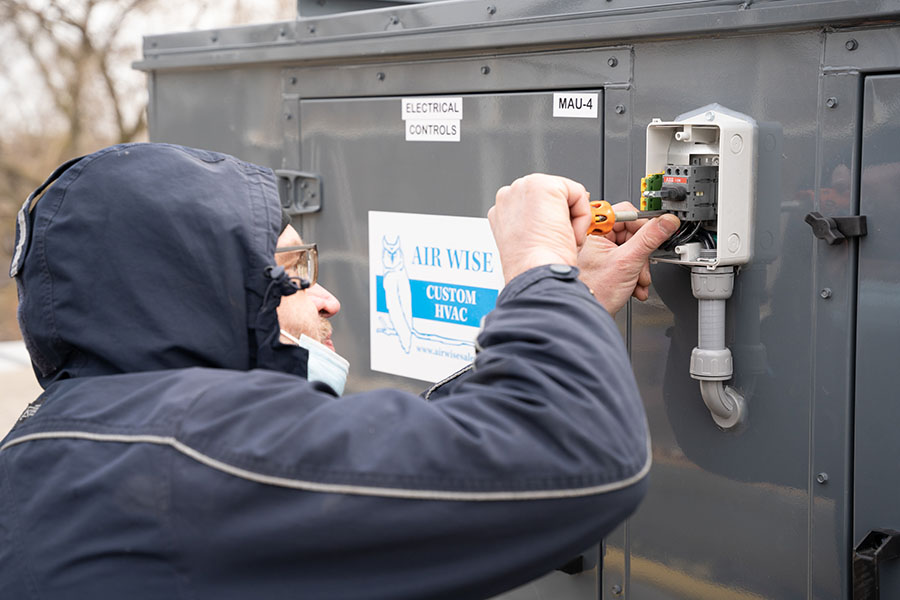
NOW – WoodGreen commissioned Efficiency Capital to fund, develop, and implement a building retrofit plan, bringing in engineering firms SensorSuite Inc. and Finn Projects to do much-needed capital upgrades to the buildings. The project was funded by Efficiency Capital and The Atmospheric Fund, the City of Toronto’s Better Building Partnerships loans, and WoodGreen’s capital reserves.