Toronto’s emerging BEPS policy needs to be well-designed and informed by representative stakeholders and rightsholders regarding equity impacts.
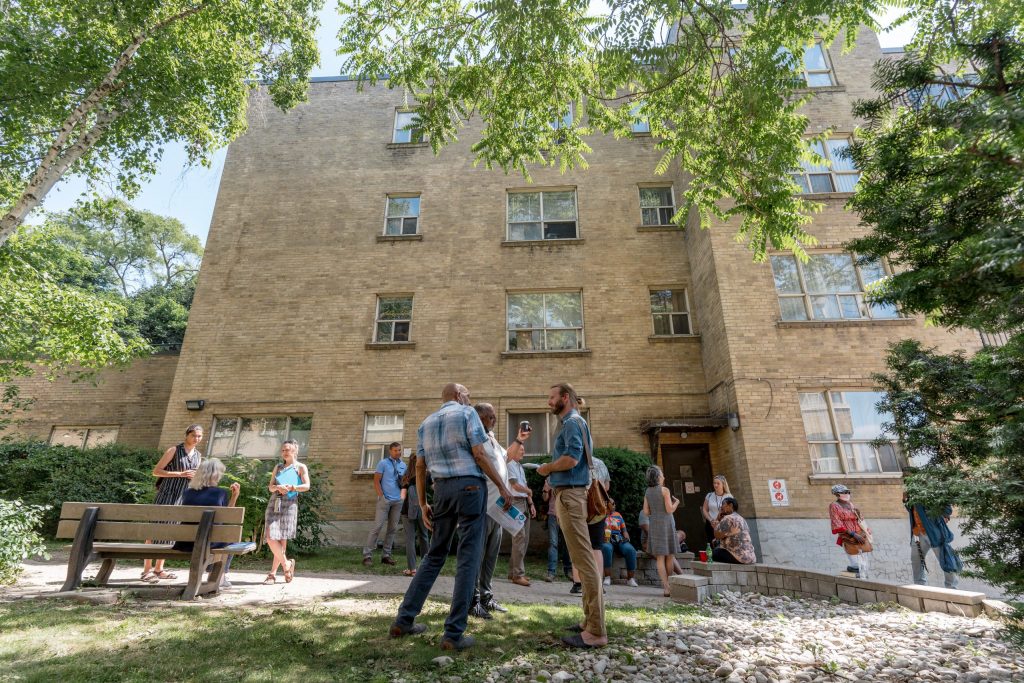
Lowering emissions, raising up equity – perspectives on Toronto’s building policy
Just launched: Carbon Emissions Inventory 2024

Toronto’s emerging BEPS policy needs to be well-designed and informed by representative stakeholders and rightsholders regarding equity impacts.
Aakash Harpalani, Director of Clean Energy, comments on Ontario’s 2025-2028 Incentives Framework.

One of the most important questions in designing a BEPS is which types and sizes of buildings should be included.

The commercial real estate sector should be excited about Toronto moving forward with its Building Emissions Performance Standards (BEPS) policy.

Laura McLoskey, Climate Policy Coordinator, weighs in on various stakeholder consultations about Ontario’s energy future.

Bryan Purcell, VP Policy and Programs, provides his insights on the 2023 Carbon Emissions Inventory for the GTHA.
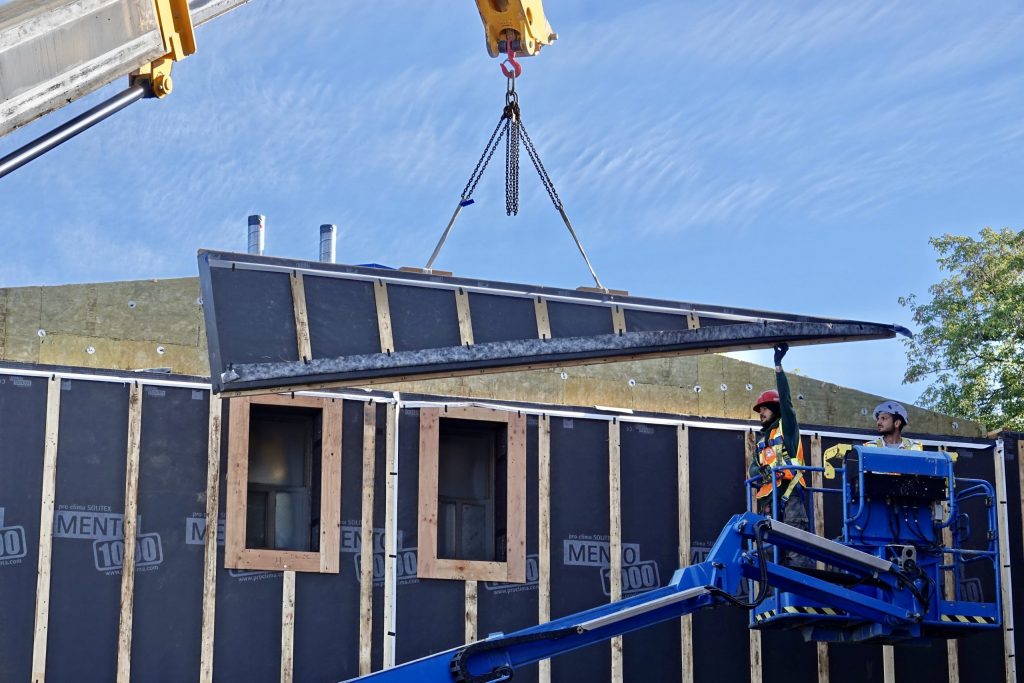
How can we make building retrofits faster, easier, and less expensive? Keith Burrows, Director, Low-Carbon Buildings, takes us on a journey of insulation that goes on the outside of an existing building.

With the right public and private investments, demand-side management is one of the best tools we have to minimize the need for gas plants and grid expansion, keep electricity costs down, and build on Ontario’s past record as a leading low-carbon power producer.
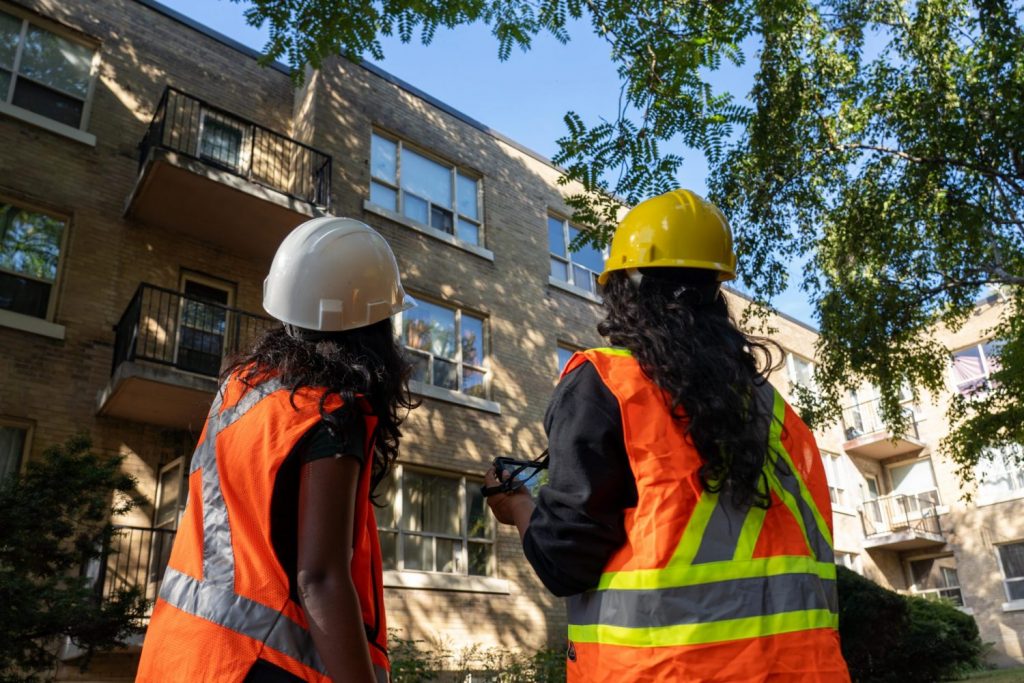
Existing building performance has been historically challenging to regulate, but that’s changing with the recent proliferation of mandatory building performance standards (BPS) across North America.
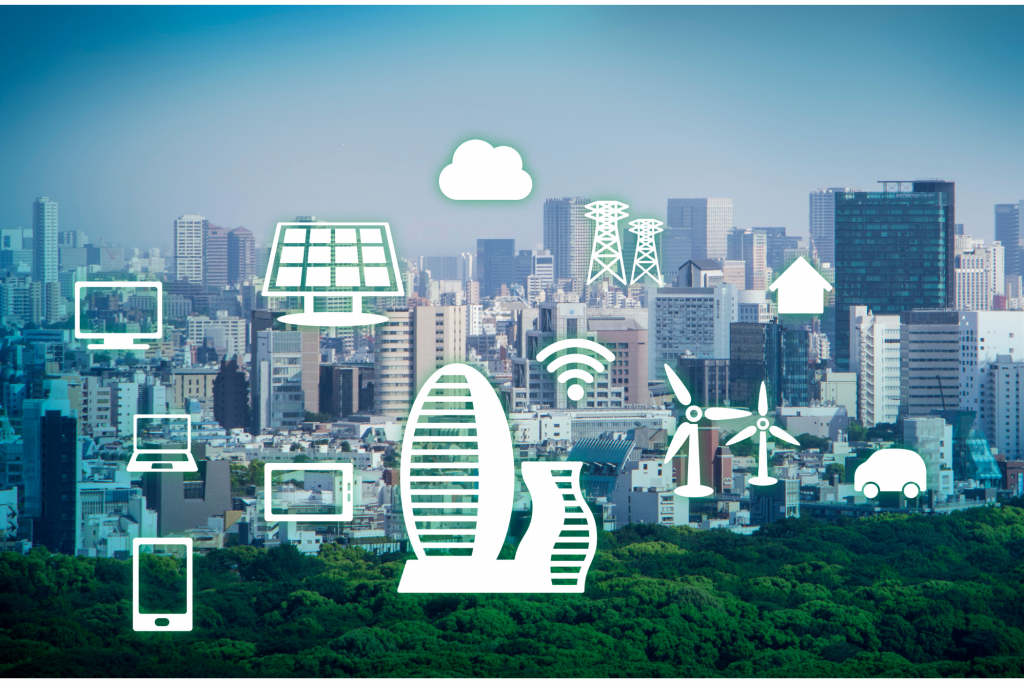
With distributed energy resources (DERs) moving swiftly from the margins to the mainstream in North America, Ontario can seize opportunities in a popular and reliable innovation in power system management.