Toronto’s emerging BEPS policy needs to be well-designed and informed by representative stakeholders and rightsholders regarding equity impacts.
Lowering emissions, raising up equity – perspectives on Toronto’s building policy
Just launched: Carbon Emissions Inventory 2024

Toronto’s emerging BEPS policy needs to be well-designed and informed by representative stakeholders and rightsholders regarding equity impacts.

With less than a decade left to stem the worst global climate impacts, we need to think critically about getting proven climate actions to scale…

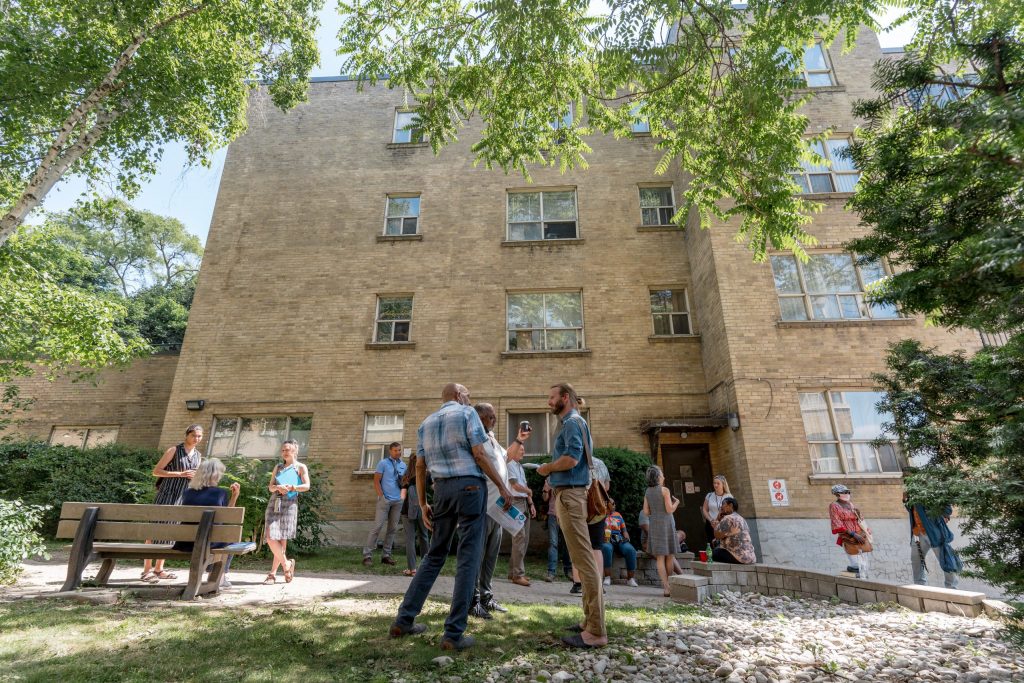
The new normal of spending more time at home underscores the importance of this deep retrofit project for the families who live there.

People who belong to equity-seeking groups are disproportionally impacted by the environmental, economic and social burdens linked to climate change.

Human health is intimately connected to the environment. That’s why we partnered with the Ontario Public Health Association to develop a health-focused communications strategy for climate messaging. Find out more in this guest blog from their Executive Director, Pegeen Walsh.
Would anyone ditch all fruits and vegetables and switch to a carbs-only diet because it’s the cheapest? Obviously not. Likewise, governments shouldn’t solely focus on cost per tonne of emissions reduced when it comes to investing public dollars in climate action. A nuanced approach is what we need.
What if Toronto’s bankers, nurses, and social housing providers all agreed on the same pathway forward for the City? It’s difficult to imagine; working within an increasingly complex system, policy priorities are often in competition with one another. Cyclists and drivers compete for street space and organizations compete for scarce resources. Instead of trying to […]
Sean Hertel is a professional urban planner who specializes in policy and programs related to transit, housing, and suburbanization. Sean co-authored Next Stop: Equity. Routes to fairer transit access in the Greater Toronto and Hamilton Area, a report that examines why the benefits of building transit are not equally shared, and how to begin to […]
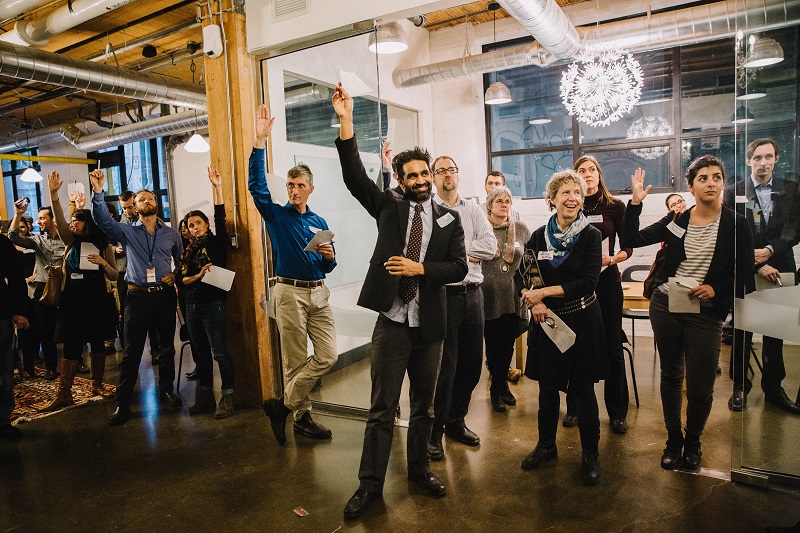
The City of Toronto is committed to a 2050 deadline to reduce GHG emissions 80% below 1990 levels. Changes we have to make to achieve that target will likely make this future low-carbon city look very different, but it’s hard to know just how. Will everyone have self-driving electric cars and solar powered chicken coops? […]

Transforming the built environment = investing in prosperous, healthy and equitable communities Joint blog by Vivian Chung, policy research and engagement coordinator at TAF and guest blogger Dylan Heerema, analyst with the buildings and urban solutions program at the Pembina Institute in Vancouver. There is growing recognition across the country of the importance of buildings and energy efficiency to […]