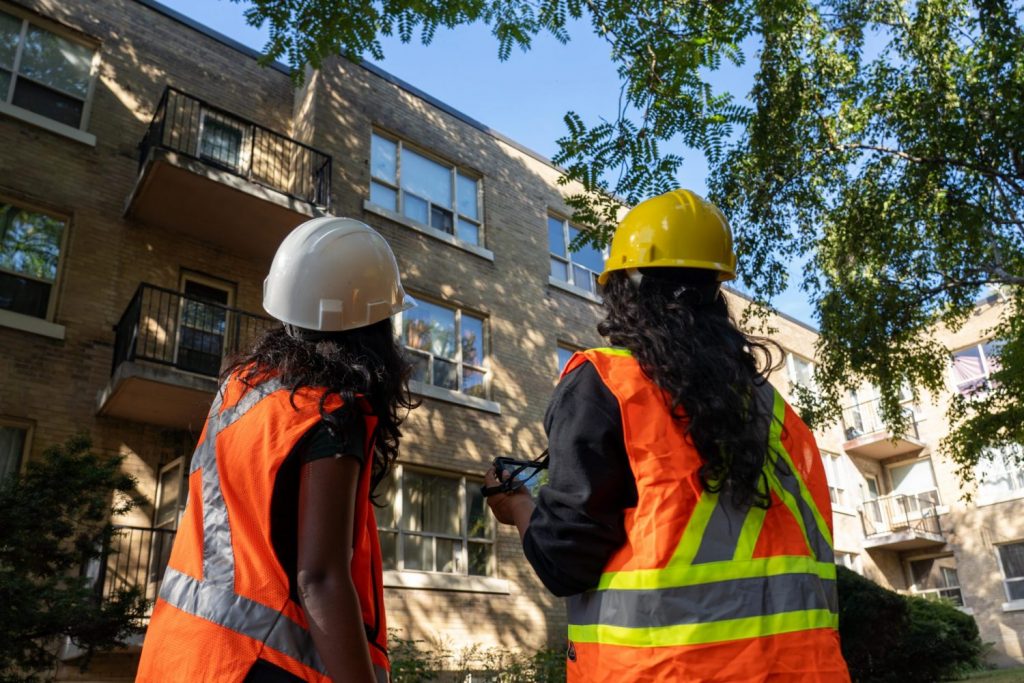
Existing building performance has been historically challenging to regulate, but that’s changing with the recent proliferation of mandatory building performance standards (BPS) across North America.
A new building policy approach that’s working
Just launched: Carbon Emissions Inventory 2024

Existing building performance has been historically challenging to regulate, but that’s changing with the recent proliferation of mandatory building performance standards (BPS) across North America.
GLOBE AND MAIL: Policy paper published last year by U of T, City of Toronto, The Atmospheric Fund and Mantle Developments calls for the regulation of embodied carbon as well as the development of standardized ways of measuring these emissions.

Toronto’s next leader should put fast, effective climate action at the centre of the city’s cornerstone strategies for economic development, housing, transportation, health, and more. VP Bryan Purcell discusses three practical actions needed.

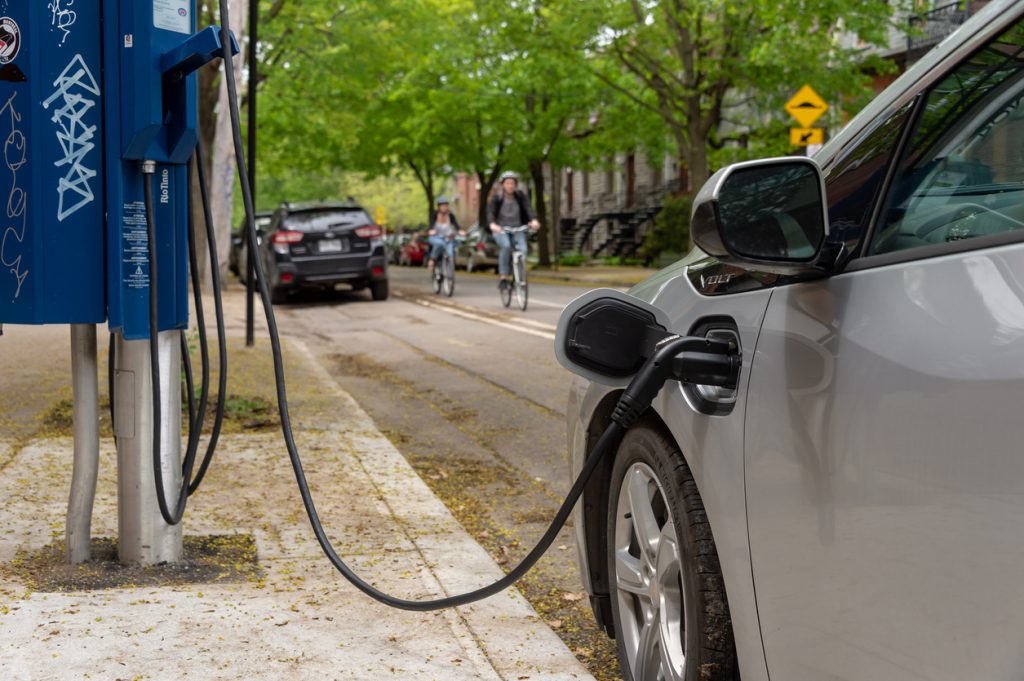
The opportunity for Canada to support vibrant, low-carbon cities is upon us with budget season underway. TAF’s 2023 federal budget recommendations emphasize key investments in heat pumps, EV charging in multi-family buildings, and distributed energy resources.
TORONTO STAR – “The Building More Homes Faster Act includes clauses that will inadvertently make future homes more unaffordable and less efficient for Ontarians,” says Bryan Purcell.

To handle the complex and intersectional issues that face our region, hopeful new leaders will need to follow the carbon and collaborate.
TVO -“It’s really critical that we get all new developments to net-zero or near-zero as soon as possible. Low-carbon district energy is one way to address that challenge,” says Bryan Purcell.
The 2022 budget includes funding and investment dollars for key urban climate solutions to help drive down emissions by 2030 and beyond. As always, their impact will depend on effective roll-out, which cities, local utilities and businesses, home and building owners, citizens and organizations like TAF are eager to provide.

Ontario’s building code is only updated every five to seven years, so we can’t afford to miss this opportunity to reduce carbon emissions by building better buildings that are cleaner and more affordable to operate. Read our recommendations to align it with an affordable, net zero future.

Council will vote on the City Budget this Thursday: what do we want to see most? To continue its role as a climate leader, Toronto needs to shift to implementation in top three climate priority areas: Climate Lens Policy, electrification of public bus fleets, and green development standards.