Canada’s new climate plan is historic because it is the first to follow the science and chart a clear path to the 2030 target.
What does Canada’s new $15 billion plan mean for urban climate action?

Just launched: Carbon Emissions Inventory 2024

Canada’s new climate plan is historic because it is the first to follow the science and chart a clear path to the 2030 target.
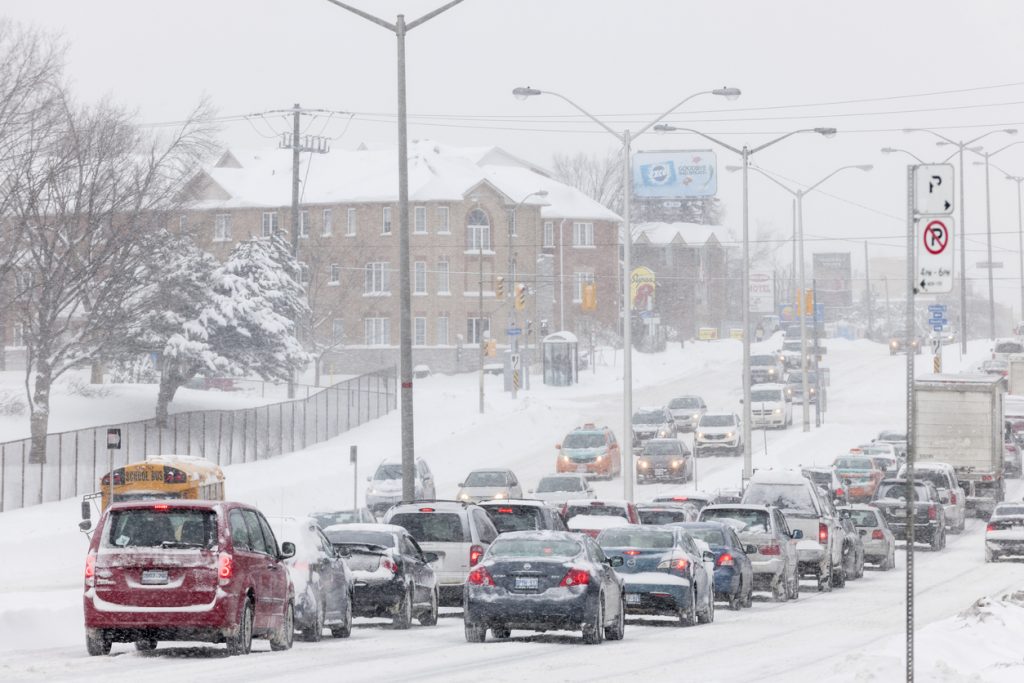
The clean fuel standard establishes a practical and predictable approach for removing 30 million tonnes of carbon every year without affecting daily life.

With less than a decade left to stem the worst global climate impacts, we need to think critically about getting proven climate actions to scale…

If we asked a child of the next generation to look back at vintage footage of Canada’s 2020 throne speech, from the era of pandemic and wildfires, what would they need to hear?

Achieving carbon neutrality will require leaving no stone unturned, no building un-retrofitted, and no emission reduction opportunity ignored.

The City of Toronto is considering eliminating important fuel efficiency standards for the vehicle-for-hire industry.

Last month, the Province announced a massive cut to electricity conservation programs in Ontario. The cuts to conservation will actually increase total electricity system costs, leading to upward pressure on prices over time.

You’ve probably heard about the federal government’s commitments to work with the provinces and territories to take action on climate change. But have you heard about the Clean Fuel Standard (CFS)? The Clean Fuel Standard is expected to have the largest carbon impact of any policy under the Pan-Canadian Framework on Clean Growth and Climate Change.

Let’s focus on a potential opportunity: how Ontario can accelerate private sector investment in the transition to a low-carbon economy. Specifically, the proposed Ontario Carbon Trust (OCT) can succeed if it uses public funds to mobilize private capital and deliver local climate solutions.

Unfortunately, Ontario’s proposed climate plan, Preserving and Protecting our Environment for Future Generations: A Made-in-Ontario Environment Plan, could weaken cities’ potential to contribute to climate protection in three ways.