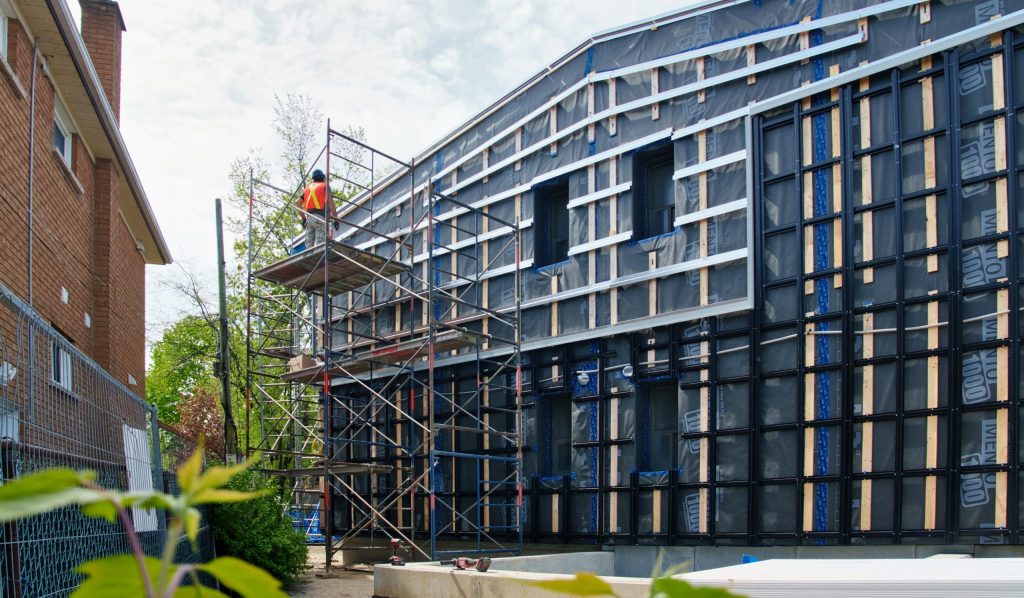
No-cost carbon reductions
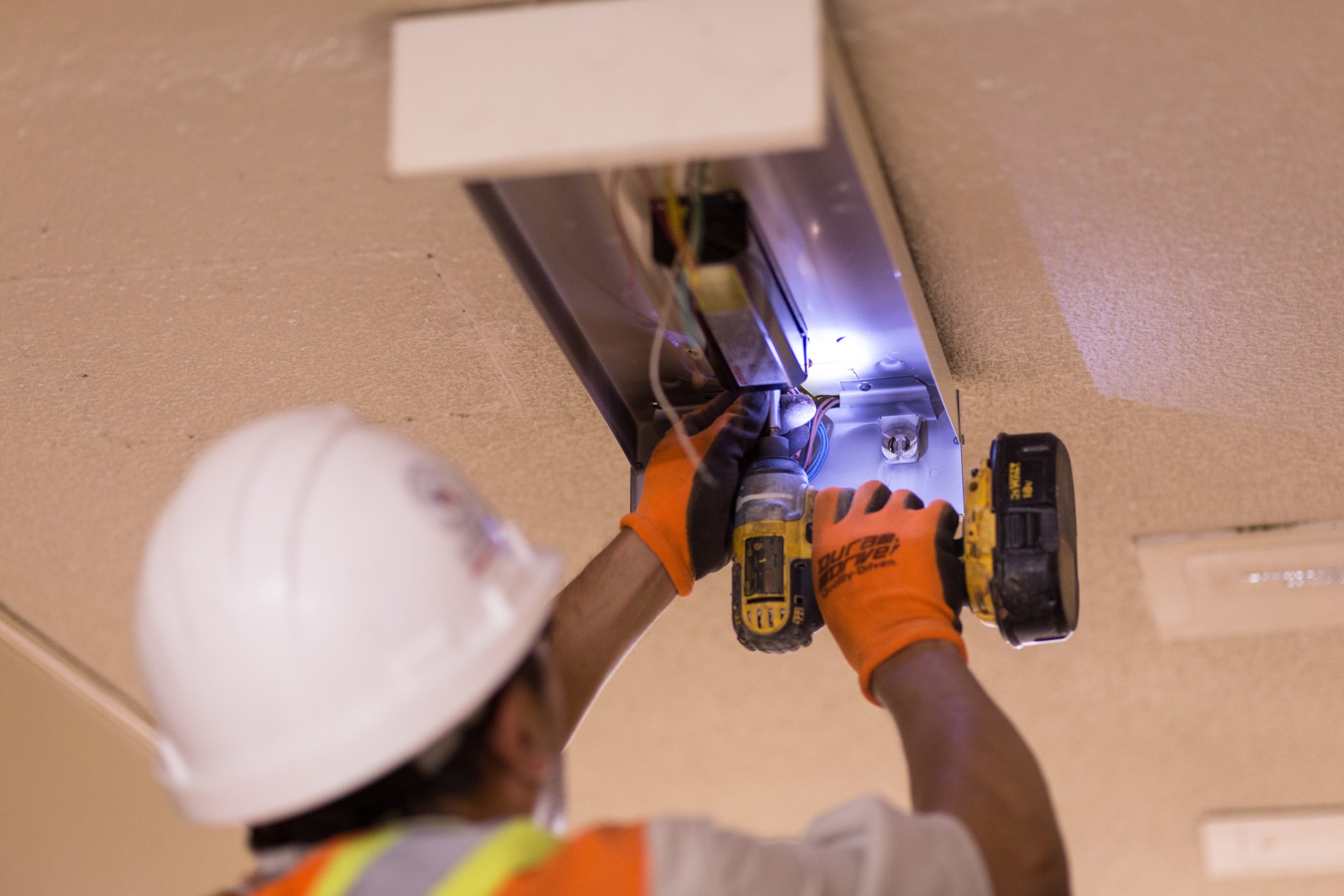

Everyone wants to get something for nothing. With a retrofit, you can.
Everyone wants to get something for nothing. With a retrofit, you can.
Here at TAF we often promote the benefits that arise from a building energy efficiency retrofit, like:
- Improvements to indoor environmental quality and comfort
- Health benefits
- An increase in the value of the building
- Savings on utility bills
- Reduced carbon emissions
- The project’s positive cash flow nature
One benefit that does not get a lot of press is the fact that there is no cost to reduce the carbon. Say what, one might ask; how can that be? It costs money to perform an energy retrofit.
But that’s not the right way to look at the situation. Let me explain. I’ll use a real-world example of a recent comprehensive energy retrofit we were involved with. The building owner undertook a $2 million energy retrofit with a payback time of less than six years and an estimated energy costs savings of $365,000 per year – with no government incentives provided to reduce the capital cost. Let’s look at the stats:
- The life of the project is shorter than the useful life of the equipment of 12 years
- Maintenance costs specific to the equipment are $15,000 a year
- The internal rate of return is 12.75%
- The net present value (NPV) of the cash flows is approximately $425,000
- The carbon emissions reductions total 722 tonnes a year or over 7,200 tonnes over 10 years
In this example, the project was estimated to generate a positive cash flow. That can only mean the there is return of the capital and a return on the capital. Indeed, the project is on target to create a positive financial return – the inflows are greater than the outflows – with results having been verified for three years now. With a positive financial inflow, only one conclusion can be reached: the reduced carbon cost the investor nothing. In fact, there is a return per tonne reduced of $59 ($425,000/7,200) – the inverse of cost!
This example continues to prove the strong business case for building energy retrofits. They offer strong financial, environmental and social benefits.

Expanding property assessed financing to meet the needs of Ontario building owners
Opinionssss
Canada’s EV transition is held up in our parking garages
Opinionssss
Municipal elections are a chance to lead: A practical vision for a low carbon, affordable future
Opinionssss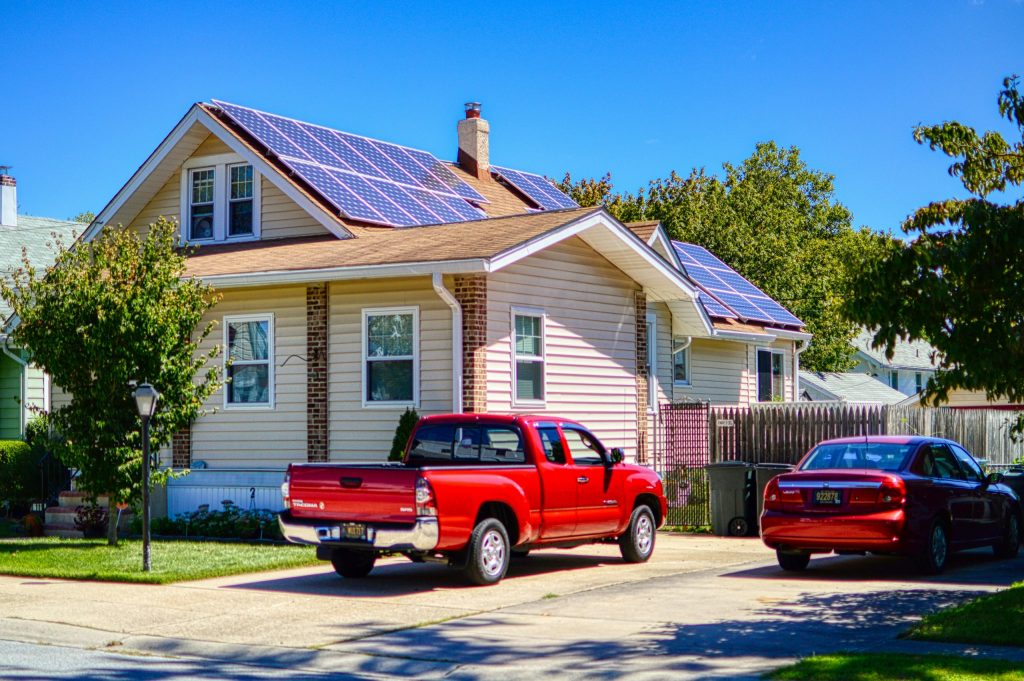
How rooftop solar can strengthen energy security in Canada
Opinionssss
Deep Retrofit Diary: Tower transformation from 1967 to net zero
Opinionssss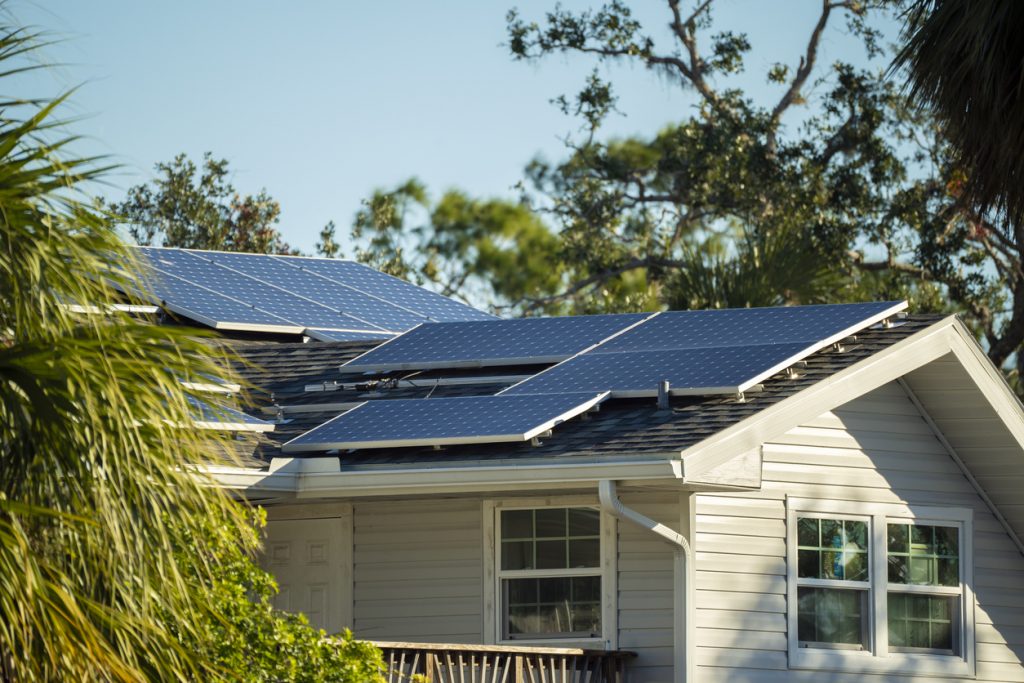
Ontario’s solar rebate has a hidden catch
Opinionssss
Growing data centre infrastructure without compromising the climate
Opinionssss