
Clean Electricity Standard to set the stage for Canada’s energy transition

Aerial drone view of a wind turbine in the foreground of a coal fired power generating station.

The federal government is now consulting on its Clean Electricity Standard to help Canada reach a net-zero electricity grid by 2035. With Ontario’s electricity emissions forecast to triple in the next decade, this is an important opportunity to provide feedback.
You’ve probably heard that “electrification” is an important path to curbing climate change. The movement to switch from fossil fuels to electricity can be seen in the growing number of electric cars and buses on our streets and the heat pumps homeowners are swapping in for gas furnaces. But electrification only leads to a net-zero future if the electricity comes from low-carbon sources, like wind, solar, or hydro.
Thankfully, the Trudeau government has promised a regulation to require net-zero electricity across Canada by 2035. Public consultation on regulatory design is now underway, via a discussion paper titled A Clean Electricity Standard in support of a net-zero electricity sector. The paper signals the government is serious about its commitment to a net-zero electricity grid by 2035. This is welcome news because while some provinces, like B.C. and Quebec, have mostly clean, reliable grids already, many provinces still rely on fossil fuels to deliver electricity, including coal.
While Ontario shut down its last coal plant in 2014, emissions have been steadily rising for the last few years due to increased reliance on natural gas. The province has yet to outline a plan to transition to clean energy alternatives, and has even shut down plans for renewable energy projects, which could have helped reduce emissions in Ontario. Currently, the IESO forecasts a 340% emissions increase by 2030. We can’t afford to backslide and go back to relying again on fossil fuels like natural gas for electricity.
This week, a new IPCC report warns that the climate crisis is worsening and that it’s “now or never”. This is not the time to regress back to where we were ten years ago and ramp up natural gas (which, when life cycle emissions are accounted for, can be as bad for global warming as coal). We now know what it feels like to be trapped in a fossil fuel economy – it is not reliable or affordable. Our way out of this is to ensure that every province and territory transitions towards a clean, affordable, reliable electricity supply.
This discussion paper serves as a signal to provincial and territorial decision-makers that a clean electricity regulation is coming, discouraging investment in assets that could become stranded in the near future. The paper also indicates to industry that Canada will have a strong market for clean technology and renewable energy infrastructure in the coming decades. Decarbonizing the electricity supply will take innovation and investment from the provinces, utilities, system operators, the financial sector, and more, but the role of the federal Clean Electricity Standard has the power to set expectations that an energy shift in Canada is coming.
That’s what makes this consultation an important opportunity to provide comments and tell the federal government that Canadians want a clean energy grid and support a Clean Electricity Standard. We can’t leave the future of our electricity systems up to traditional decision-makers who tend to uphold the status quo; we need more voices at the table. We encourage our readers to submit feedback and share the opportunity with other stakeholders.
You can submit comments on Canada’s Clean Electricity Standard discussion paper until April 15th. Email comments ECD-DEC@ec.gc.ca, and consider answering the “Key Questions” on p.13 of the discussion paper.
3 comments
Leave a Reply

Canada’s EV transition is held up in our parking garages
Opinionssss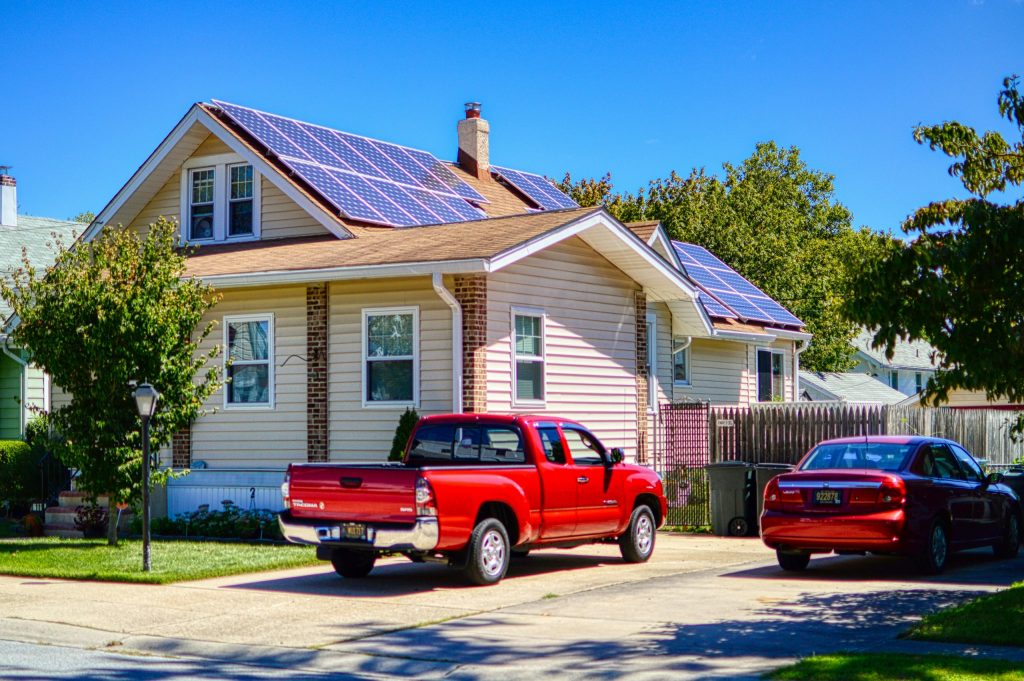
How rooftop solar can strengthen energy security in Canada
Opinionssss
Ontario’s Bill 98 undermines energy affordability and independence
Media Releases
From data to action: What this year’s emissions inventory tells us
Opinionssss
Add your voice to protect green development standards in Bill 60
Opinionssss
Is the workforce ready for a growing retrofit industry?
Opinionssss
U.S. policy shifts shouldn’t destabilize Canada’s environmental regulations
Opinionssss

I completely agree!!!! Ontario must get its proverbial ‘butt’ into gear and start to build out our electricity system smartly and sustainably and immediately. It must start now! And it must abandon conventional modeling and thinking which have always been about ‘large central plants’. And it must accept that anything that increases emissions is a complete non-starter. Yes, for our climate. But also to ensure that Ontario’s businesses remain in the game in the future when low and no-carbon emissions energy will be a requirement for trade.
My house has a 7kw (28 solar arrays) solar rooftop installed in the 2014 micro-grid programs of Ontario for almost 8 years which cost me zero for a 20-year contract which will be mine after that for free. Since it installed that able to cover most of my electricity bills from 70% to 90% every month. 2008 bought a hybrid SUV thanks to Federal, & Provincial hybrid rebates of $2,000 each total of $4,000 which is the almost same price as a non-hybrid SUV. Trade-in for a used 2016 PHEV Chevy Volt in 2019 saving over 60% compare to the new one. Was going to buy a new EV in 2018 but canceled the deal thanks to D. Ford canceling the $14,000 EV incentive.
We’ll need to budget for a lot of smart grids, and taff up to build them quickly.
We should also establish the feasibility and budget for a transcontinental, interprovincial electricity system from coast to coast with HVDC cables.