Toronto cannot achieve the net-zero carbon emissions target adopted by City Council unless Ontario’s gas-fired power plants are phased out. That’s why council should adopt this motion as soon as possible.
Toronto has an embarrassing gas problem

Just launched: Carbon Emissions Inventory 2024

Toronto cannot achieve the net-zero carbon emissions target adopted by City Council unless Ontario’s gas-fired power plants are phased out. That’s why council should adopt this motion as soon as possible.

Open up your spreadsheets, it’s time for some fun with business case analysis…
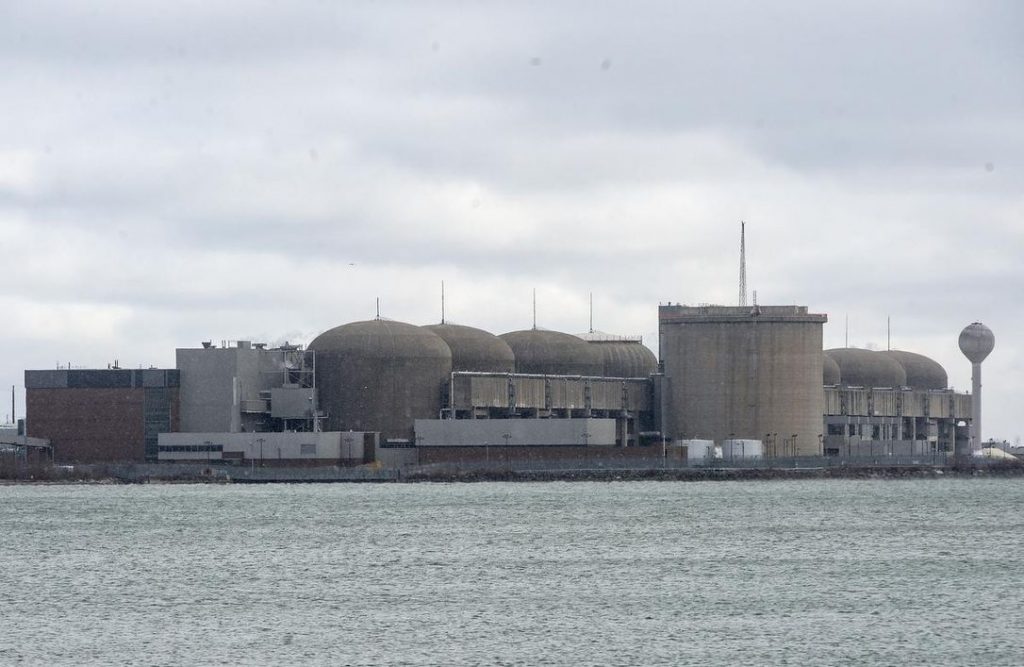
TORONTO STAR – This TAF-funded reported proposes how to fill the post-Pickering gap with clean electricity solutions by 2025.

The City of Toronto has just completed the Assessment Phase of its Electric Mobility Strategy. Here are some highlights.

To counter the risk of rising carbon emissions from legalized marijuana cultivation, TAF plans a joint pan-Canadian initiative with growers, provincial governments, and former police chiefs. The goal is to limit the budding industry’s carbon footprint and ultimately ensure that Canadians can get high on low-emissions cannabis.

Quantifying the emissions impact of electricity consumption – and conservation efforts – is crucial for planning climate actions, whether it’s a government policy or upgrades and behaviour shifts at home. TAF’s latest research greatly improves such quantifications.
A proper carbon emissions inventory is a crucial starting point for city-level climate action. But unfortunately, many cities in the Greater Toronto and Hamilton Area (GTHA), don’t have gas and electricity consumption data – but utilities do. That’s why TAF asked the Ontario government to make this data public.

A new TAF-funded study by our ally Plug’n Drive shows that there’s major potential for electric vehicles (EVs) in the GTHA. But the survey also found a lack of awareness of Ontario’s EV purchase incentives and misconceptions about EVs.

In order to decide which GHG reduction strategies to pursue, TAF looks at the quantity of reductions each approach has the potential to achieve. Central to these calculations are the emission factors – i.e. how much carbon is associated with each unit of energy consumed or saved. The challenge is that electricity emission factors can […]
As we come upon the darkest time of the year, the cost of keeping the lights on continues to be a hot topic. With two rate hikes in the last six months, many people in Ontario are feeling the burn of rising electricity prices. Why are prices rising so steeply, and are the Province’s renewable […]