Decarbonization isn’t a barrier to affordability – it’s the key to an economical, reliable electricity grid. TAF provides analysis of the IESO’s Pathways to Decarbonization study.
Will Ontario’s net-zero electricity grid cost $400 billion?

Just launched: Carbon Emissions Inventory 2024

Decarbonization isn’t a barrier to affordability – it’s the key to an economical, reliable electricity grid. TAF provides analysis of the IESO’s Pathways to Decarbonization study.

Since exploring how decarbonizing the grid would impact various communities, TAF commissioned a new report showing the most affordable way to meet rising electricity demand is through a mix of energy efficiency, solar, wind and storage.

On October 7th, Ontario’s Minister of Energy directed the IESO to procure 1,500 megawatts of new natural gas plants to generate electricity. This decision was taken without any public consultation, based on a short IESO report with no financial analysis or comparison of other pathways. Amidst increasing fossil fuel prices and plummeting costs of readily available clean solutions, investing in new gas plants would be environmentally and fiscally reckless. But it’s not a done deal.

Electricity is the fourth largest source of emissions in Canada, and the electricity demand is growing as we electrify buildings and transportation. The Clean Electricity Regulation is key to making Canada’s electricity supply net-zero by 2035. The federal government recently requested input from stakeholders on a proposed frame of one of Canada’s most critical climate policies, the Clean Electricity Regulation.

Vehicle-to-building or grid technology, enabled by bi-directional chargers, allows electric vehicles to function as mobile energy storage assets. Find out how this critical tech will drive electrification and why this is the time for other investors to get in.

Ontario election is just 6 weeks away – ample time to influence the parties’ climate action platforms. Get tools and inspiration on what to ask the candidates.

The federal government is now consulting on its Clean Electricity Standard to help Canada reach a net-zero electricity grid by 2035. With Ontario’s electricity emissions forecast to triple in the next decade, this is an important opportunity to provide feedback.
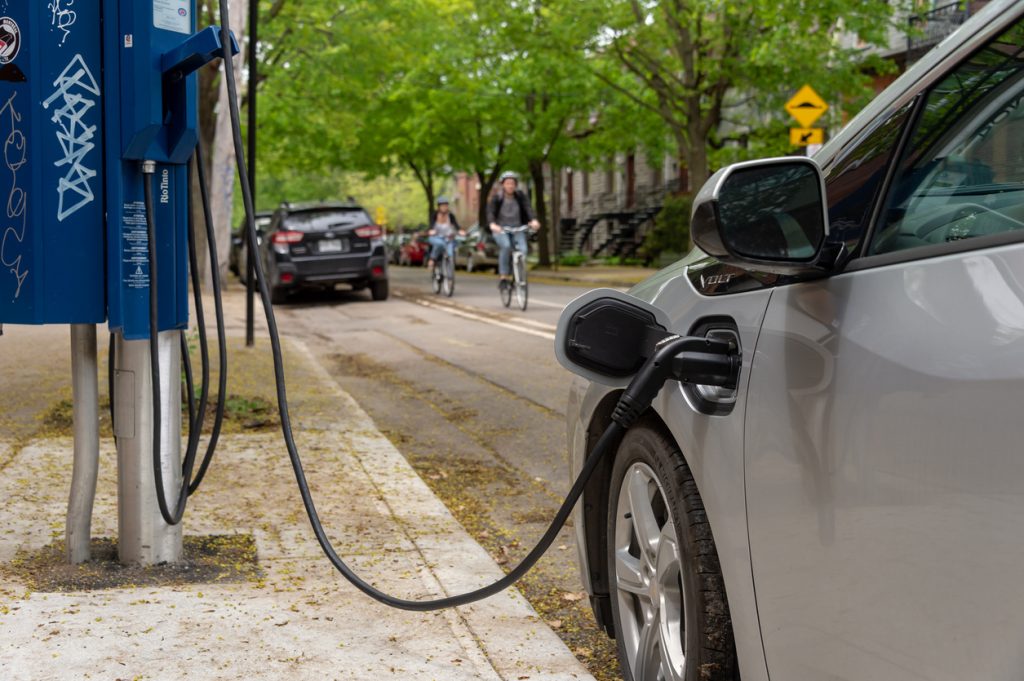
The 2022 budget includes funding and investment dollars for key urban climate solutions to help drive down emissions by 2030 and beyond. As always, their impact will depend on effective roll-out, which cities, local utilities and businesses, home and building owners, citizens and organizations like TAF are eager to provide.
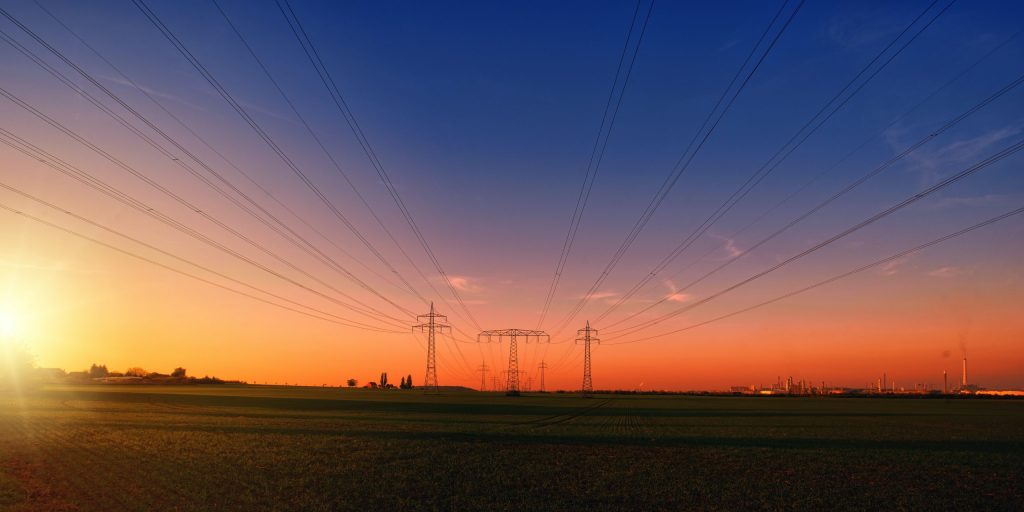
Ontario’s proposed clean energy credit system may sound like a high-impact climate action, but it won’t lead to cleaner electricity. How can clean energy credits increase carbon pollution? Find out
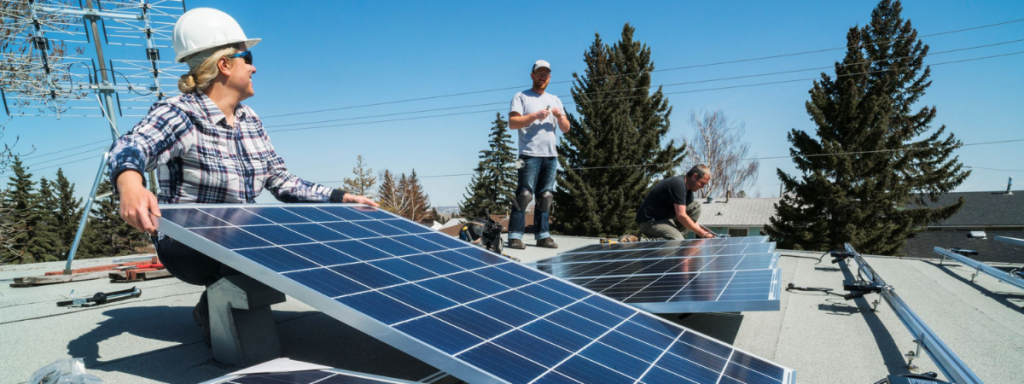
Accurate emissions factors are a crucial step in decarbonizing Ontario’s electricity grid. Rooftop solar PV is a striking example of how status quo methodology leaves us missing major opportunities.