Retrofitting Hospital Workers Co-operative: A TowerWise Case Study
66 Walpole Ave, Toronto
Type
Town house complex, owned by Toronto Community Housing Corporation
Old System
Electric baseboard radiators, electric hot water tank, 7.6 LPF toilets
New System
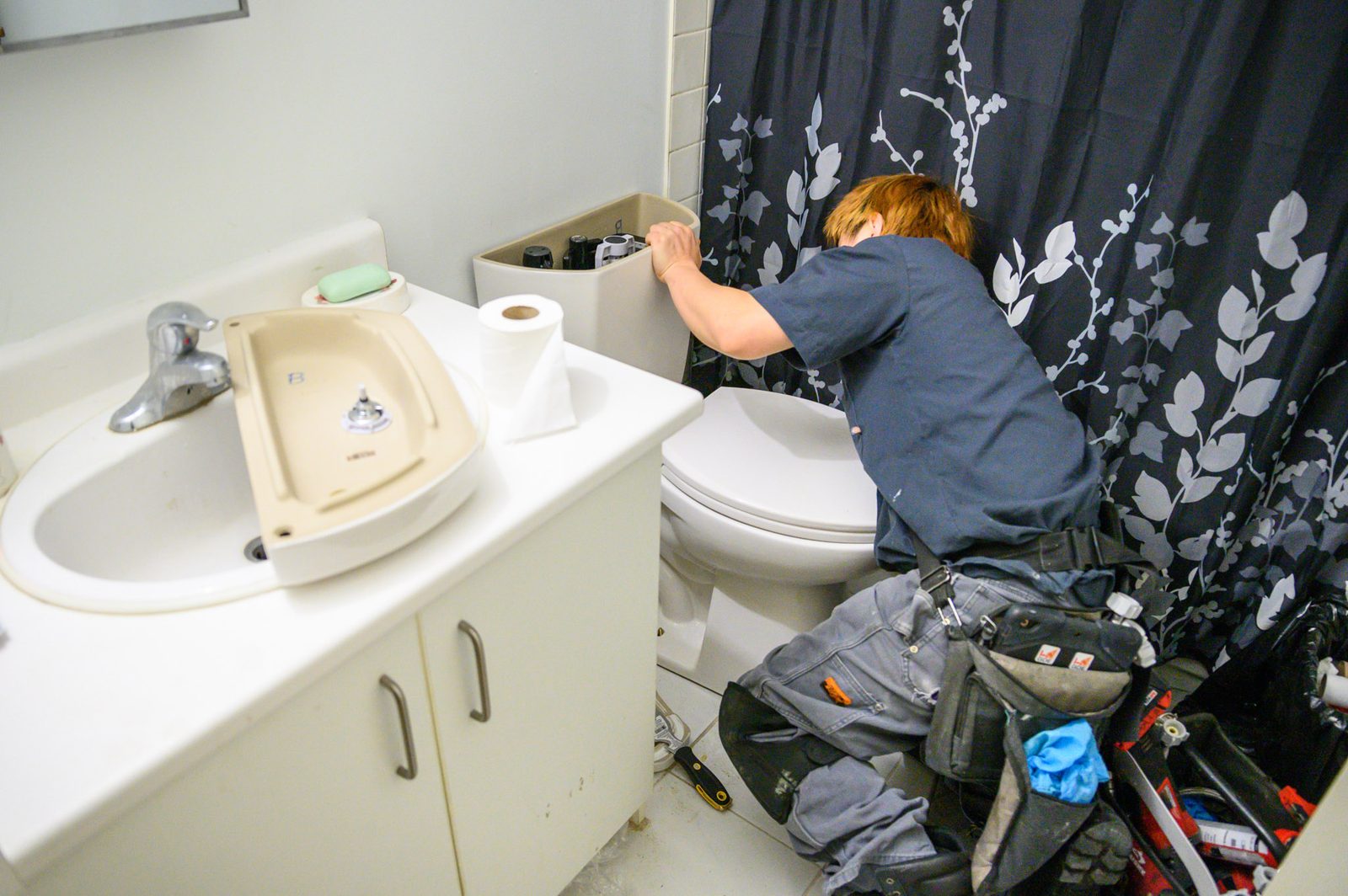
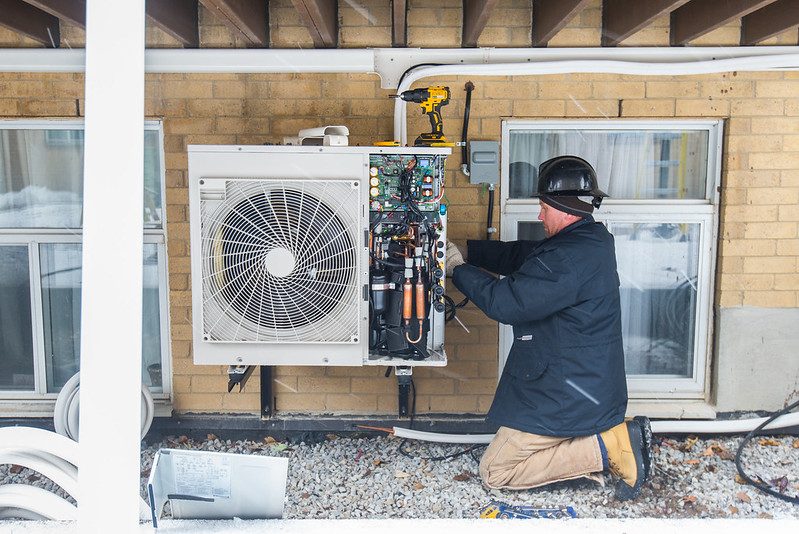
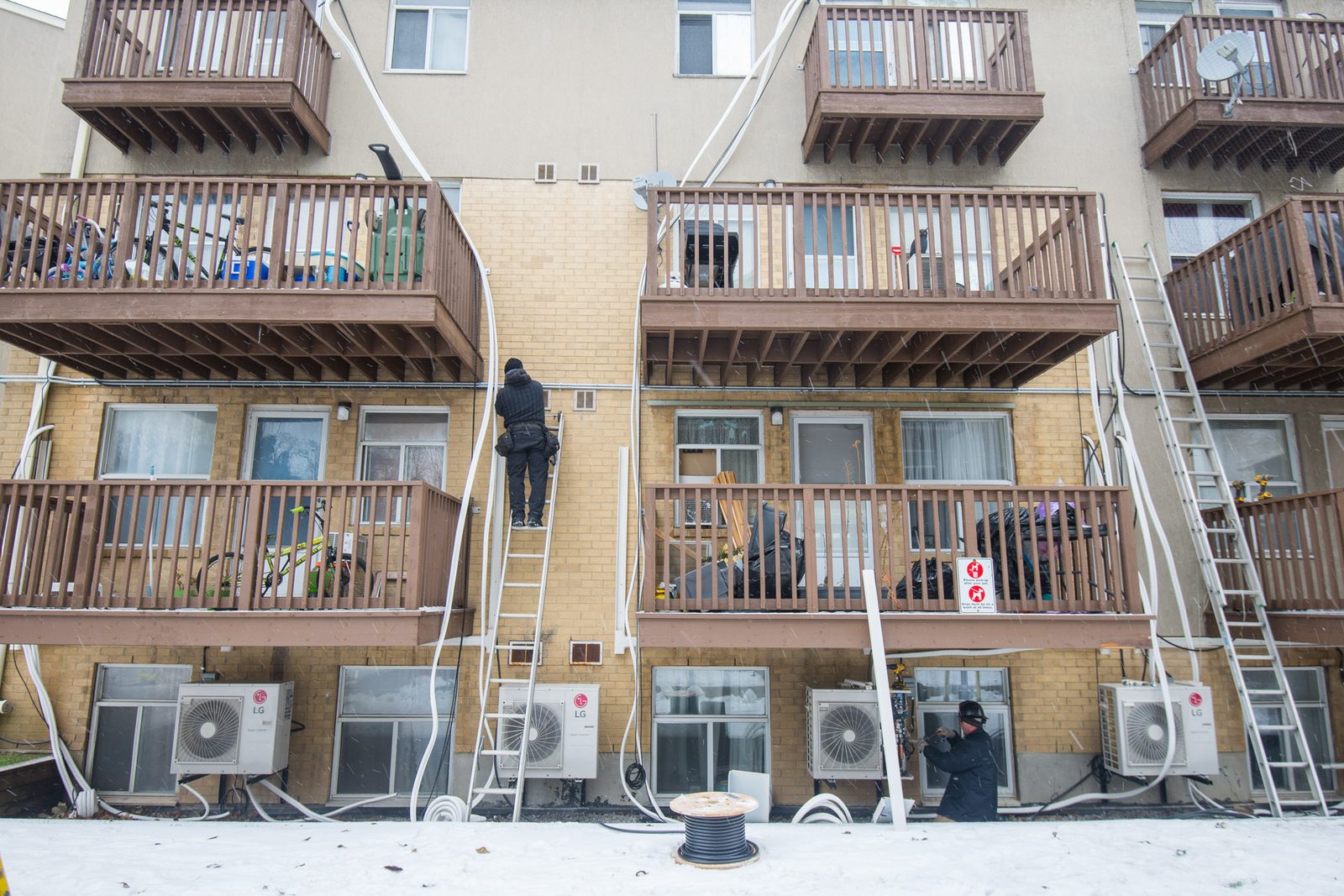
LG multi-split cold climate air source heat pumps, Rheem Air Source domestic hot water heat pumps, and low flow toilet retrofit.
Partners
Toronto Community Housing Corp. | Ecosystem

Project Details
66 Walpole Ave, Toronto: Town house complex, owned by Toronto Community Housing Corporation
Old System: Electric baseboard radiators, electric hot water tank, 7.6 LPF toilets
New System: LG multi-split cold climate air source heat pumps, Rheem Air Source domestic hot water heat pumps, and low flow toilet retrofit.
Partners: Toronto Community Housing Corp. | Ecosystem
March 2020. From 2014-2018, retrofits were undertaken at Hospital Workers Co-operative to improve the energy efficiency of the building. This case study describes the energy efficiency retrofits that achieved major reductions in utility costs and carbon emissions for this 132-apartment building.
The retrofit at Hospital Workers Co-op demonstrated that retrofits can provide a compelling return on investment while reducing environmental impacts and generating green jobs. Some of our key results:
- $82,888 annual utility cost savings
- 157 tCO2eq emissions savings annually
- 37 per cent reduction in domestic hot water gas use
Gallery



Recommendations
-
Create a mock installation to test new technologies.
Understanding sequencing and interaction of trades, and troubleshooting issues without disrupting residents prior to a full building rollout improves results and resident satisfaction.
-
Enable cooling
to increase resident comfort and satisfaction, reduce peak demand, and protect against health impacts of extreme heat.
-
Lengthen cycle times and reduce return temperatures to allow GAHP to reach maximal steady-state efficiency.
Increase the deadband of the GAHP controller to keep it on for longer periods, installing the heat exchanger in a counterflow configuration to promote better heat transfer (and likely reduce the temperatures in the GAHP glycol loop). And, add more intelligent control to the recirculation loop such that it is not unnecessarily mixing hot water with the cold city water prior to the GAHP heat exchanger.

22%
reduction in greenhouse gas emissions
$5k
annual savings on energy bills
100%
tenant satisfaction with thermal comfort
17%
reduction in electricity demand
Work with us
Expert services delivering deep energy retrofits for multi-family buildings in the GTHA.
Home heating and hot water savings from midrise apartment retrofit
Case Study
Heat Pumps Add Cooling for Toronto Community Housing Residents
Case Study
Stepwise apartment retrofit for savings and comfort
Case Study
Lessons from a Heat Pump Retrofit at CityHousing Hamilton
Case Study
Lessons from a heat pump retrofit at Walpole Ave: A case study
Case Study
The Case for Deep Retrofits
Case Study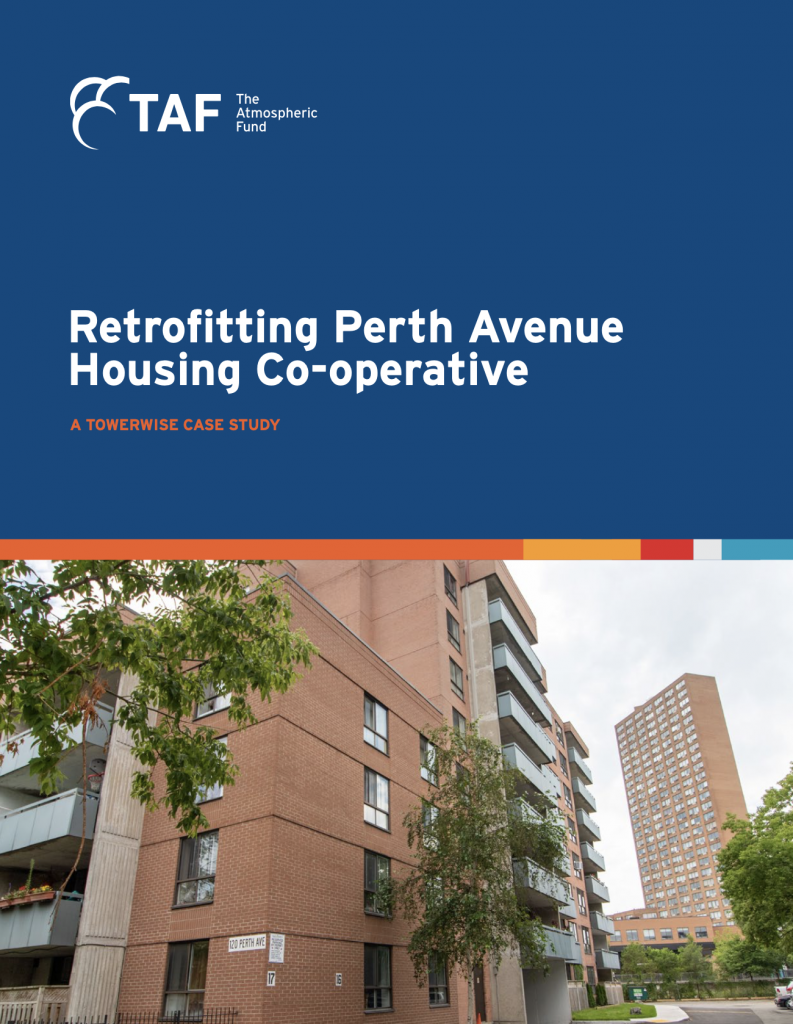
Retrofitting Perth Avenue Housing Co-operative: A TowerWise Case Study
Case Study